

Dress by Room Temperature: Summer and Winter Onesies for New Parents
For warm weather, dress babies in lightweight, breathable short-sleeve or shortie onesies made from cotton or bamboo. For cold weather, switch to long-sleeve, mid- to heavyweight cotton or knit onesies layered under a sleep sack. Breathability matters more than sleeve length alone, since overdressing carries real overheating risk. A few well-made cotton bodysuits, like the styles from Babyineverylanguage, work for either season depending on how you layer them.
TL;DR:
- Breathability of fabric, especially organic cotton or bamboo, outweighs sleeve length in regulating baby temperature across seasons.
- Summer onesies should focus on lightweight, moisture-wicking fabrics in short-sleeve or shortie styles, with loose fit to avoid overheating.
- Winter sleepwear requires midweight knits, long sleeves, and proper layering under sleep sacks to prevent heat loss without causing overheating.
- Dressing should be based on room temperature, not outside weather, with a physical check of the baby’s neck or chest to ensure comfort.
- High-quality, certified fabrics and proper fit can extend the life of a onesie, making seasonally appropriate clothing both cost-effective and safer.
Table of Contents
- Summer Onesies: Fabrics, Sleeve Styles, and Practical Tips
- Winter Onesies: Fabrics, Coverage, and Layering Strategies
- Temperature and Layering Decision Guide
- Fabric Choices and Safety: Breathability, Certifications, and Care
- Quick Buying Checklist: Sizes, Closures, and Red Flags
- Publisher Perspective: Why Babyineverylanguage Designs Onesies This Way
- Price Comparison and Value for Money Across Seasons
- An Editorial Take on Getting This Right
- Featured Bodysuits for Every Season
- Sources
- FAQ
Summer Onesies: Fabrics, Sleeve Styles, and Practical Tips
Fabric choice does more work than sleeve length when it comes to keeping a baby comfortable in the heat. Lightweight cotton is the standard for a reason: it breathes, it’s soft against sensitive skin, and it washes well through the endless laundry cycle that comes with a newborn. Organic cotton adds a layer of reassurance for parents worried about pesticide residue or harsh processing chemicals. Bamboo-derived fabrics like viscose and TENCEL™ have become increasingly popular for summer wear because they wick moisture away from the skin, which matters a lot when a baby is sweating through an afternoon nap in a warm room, according to The Good Trade’s testing of organic baby onesies.
Sleeve style is the second decision, not the first. Short-sleeve onesies and “shorties” (short sleeve, short leg) are the workhorses of a summer wardrobe. Sleeveless designs can work for very hot days, but many parents skip them because they offer less protection from sun exposure during stroller walks or car seat transfers.
Here’s what to prioritize when the temperature climbs:
- Choose 100% cotton or bamboo/viscose blends over polyester or synthetic knits, which trap heat.
- Pick short-sleeve or shortie styles for warm daytime temperatures.
- Check for a snug (not tight) fit. Loose, baggy fabric traps less air movement than you’d think.
- Skip extra layers indoors if the room sits at a comfortable temperature. A single breathable onesie is often enough.
- Wash new items before first wear to remove manufacturing residue that can irritate skin.
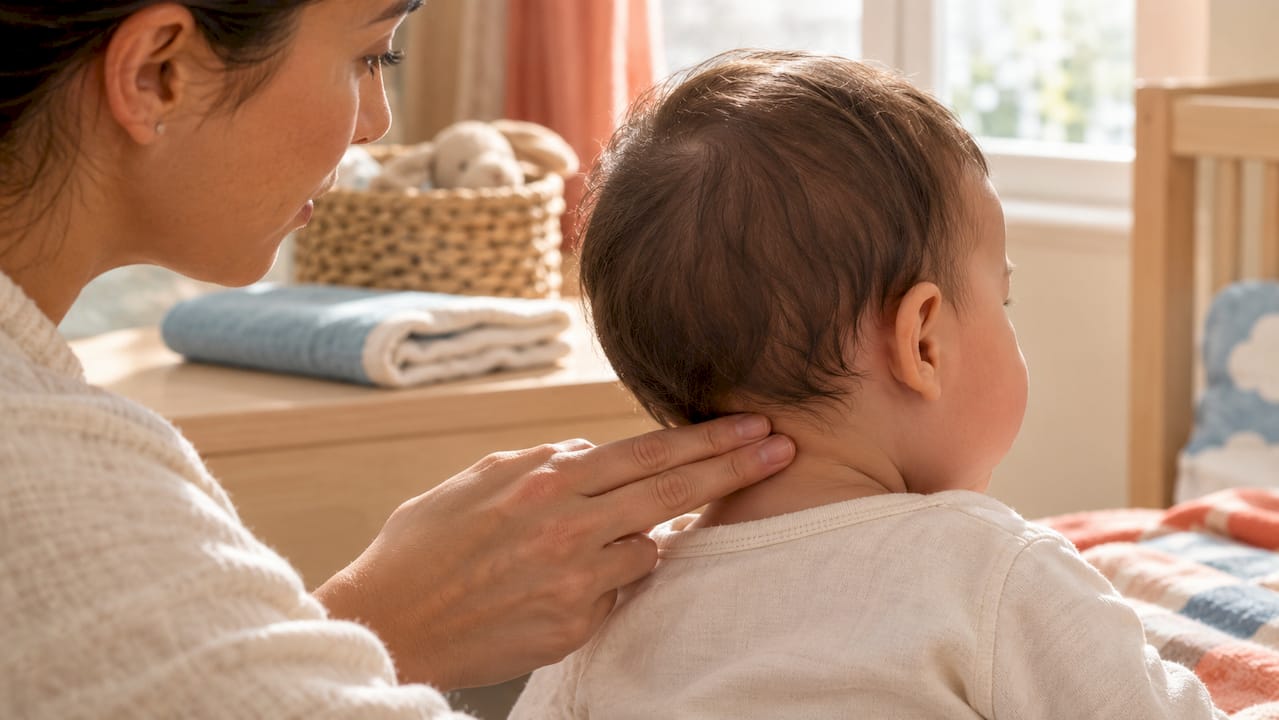
Watch for overheating signs rather than relying on a thermometer alone. Flushed cheeks, damp hair at the neckline, and rapid breathing are early cues. The safest check is a hand on the chest or the back of the neck, not the hands or feet, since a baby’s extremities run cooler than their core.
Pro Tip: If you’re unsure whether your baby is too warm, feel the nape of the neck rather than the hands. Cool hands are normal even when a baby is dressed appropriately.
For care, air-dry or use low heat on cotton and bamboo pieces to avoid shrinkage, and keep sun-exposed onesies out of direct light for long stretches, since UV exposure can fade prints faster than washing alone.
Winter Onesies: Fabrics, Coverage, and Layering Strategies
Cold weather calls for a different fabric strategy entirely. Midweight organic cotton, ribbed cotton knits, and cotton-poly knit blends hold warmth without the bulk of true fleece. Fleece has its place for outerwear like bunting bags or car seat covers, but it’s a poor choice for sleepwear because it doesn’t breathe well and can push a baby’s temperature up faster than a parent notices, particularly under a blanket or in a warm nursery.
Long-sleeve and footed onesies make the most sense for winter, since covering the extremities cuts down on heat loss. Hooded onesies look cozy in product photos, but pediatric safe-sleep guidance discourages loose hoods and any extra fabric near a sleeping infant’s face, so save hooded styles for supervised awake time, not the crib.
Layering safely in winter comes down to a simple sequence:
- Start with a breathable base onesie, cotton or a cotton blend, against the skin.
- Add a mid-layer only if the room runs cold, such as a light zip-up or a knit cardigan for awake, supervised time.
- Use a sleep sack rated for the room’s temperature instead of piling on blankets for sleep.
- Reserve heavier outerwear, snowsuits, and bunting for outdoor exposure only, and remove it the moment you’re back inside.
Healthychildren recommends dressing for room temperature and using a sleep sack rather than loose blankets, which cuts suffocation risk while still keeping baby warm.
For care, ribbed knits and cotton blends can pill with repeated washing. Turn items inside out before washing and skip the dryer’s high heat setting to extend their life. To test whether a winter layering combo is actually too warm, check the chest and back for dampness after 20 to 30 minutes indoors. Sweat at the collar means it’s time to remove a layer.
Temperature and Layering Decision Guide
Dressing a baby by room temperature, not by season on the calendar, solves most of the guesswork new parents run into. Pediatric thermoregulation research shows that infants regulate body heat far less efficiently than adults, which is exactly why a “one degree warmer than you’d wear” rule doesn’t actually hold up. Babies overheat faster than they get cold, and overheating carries its own documented risks during sleep.
Use these bands as a practical starting point for indoor dressing:
- For cooler rooms, use a long-sleeve, footed onesie plus a rated sleep sack for sleep; add a light layer for awake time.
- For mildly cool rooms, a long-sleeve onesie alone for sleep with a lightweight sleep sack, and a single mid-layer for daytime.
- For comfortable room temperatures, choose short-sleeve or long-sleeve onesies according to the baby’s tendency to run warm or cool; no extra layer is needed for most babies.
- For warm rooms, choose short-sleeve or sleeveless shorties in breathable cotton or bamboo; consider skipping the sleep sack in favor of a light swaddle alternative if the room stays warm overnight.
Some sleepwear brands label weight qualitatively (lightweight, midweight, winter weight) rather than using the TOG rating system common on European sleep sacks. A few list gsm (grams per square meter) instead, and lighter numbers, around 180gsm for summer cotton, signal a cooler-wearing fabric, based on product specifications from organic cotton sleepwear makers. When TOG isn’t listed, “light” or “summer weight” on the label is your best proxy.
The indoor climate rule matters more than most parents expect: dress for the temperature of the room the baby will actually sleep or play in, not the weather outside the window. A heated apartment in January might sit at 72°F, which calls for the same lightweight onesie you’d use on a mild spring day. The one exception is brief outdoor exposure, like a car ride or a walk to the mailbox, where an extra layer added and removed quickly won’t cause overheating.
A quick physical check beats guessing every time. Run a finger along the chest or the nape of the neck. Warm and dry means the layering is right. Damp or hot to the touch means it’s time to peel something off, even if the outdoor thermometer says otherwise.
Fabric Choices and Safety: Breathability, Certifications, and Care
Not all “cotton” is created equal, and the differences matter more in a baby’s first year than most parents realize. Standard cotton is breathable and widely available, but organic cotton skips the synthetic pesticides and fertilizers used in conventional cotton farming, which some parents prefer for anything touching a newborn’s skin for hours at a time.
Bamboo-derived viscose and TENCEL™ have earned their reputation for a reason: they wick moisture more effectively than plain cotton, which explains why some parent-reported experience favors these fabrics over sleeve length alone when it comes to keeping a baby comfortable across seasons. Modal, a close cousin of viscose, offers a similar softness with slightly better durability. Knit cotton blends land in the middle. They’re warmer than pure jersey cotton but still breathe reasonably well, making them a solid winter base layer.
Here’s how the common options stack up for season and skin sensitivity:
- Organic cotton: Breathable, hypoallergenic, good for year-round base layers.
- Bamboo viscose/TENCEL™: Excellent moisture-wicking, ideal for hot or humid summer conditions.
- Modal: Soft and durable, works well for sensitive skin in moderate temperatures.
- Cotton-knit blends: Warmer without bulk, suited to winter base layers.
- Fleece: Warmest option, best reserved for outerwear rather than sleepwear.
Certifications are worth checking before you buy. GOTS (Global Organic Textile Standard) confirms organic fiber content and responsible processing, while OEKO-TEX certification screens for harmful substances in the finished fabric. Both matter for babies with eczema or general skin sensitivity, since residual dyes and finishing chemicals are a common trigger.
Pro Tip: Wash any new onesie once, unscented detergent only, before the first wear. Even certified fabrics can carry mild sizing residue from manufacturing that washes out after one cycle.
Durability tends to favor tightly woven cotton over loose knits, which stretch and pill faster with regular washing. If you’re buying for a fast-growing infant, prioritize breathable fabric over a heavier weight. Temperature regulation comes from moisture management and airflow, not thickness.
Quick Buying Checklist: Sizes, Closures, and Red Flags
A little checklist saves a lot of second-guessing at checkout. Before adding a onesie to your cart, run through these points:
- Fabric: Cotton or bamboo/viscose for breathability; avoid heavy synthetic blends for sleep.
- Sleeve length: Short for warm rooms and summer days; long for cooler rooms and layering.
- Fit: Snug but not restrictive. Loose fabric doesn’t add warmth and can bunch uncomfortably.
- Closures: Snap crotches and two-way zippers make diaper changes faster, especially at 2 a.m.
- Fold-over mitts: A nice-to-have for newborns prone to scratching their own face.
- Footed vs. non-footed: Footed styles skip the need for separate socks, which babies kick off anyway.
- Tagless labels: Printed labels instead of sewn-in tags reduce skin irritation at the neckline.
Watch for a few red flags, too. Heavy, loose hoods on sleepwear are a safe-sleep concern, not a style bonus. Synthetic insulation marketed as “extra warm” for sleep pieces can trap more heat than a baby needs and raises overheating risk. Chemical-scented finishes, often a sign of heavy synthetic dye or treatment, are worth skipping in favor of certified organic options. Rough seams or uneven stitching are a durability problem now and an irritation problem later.
On sizing, newborns run through sizes fast, often within four to six weeks. When layering for winter, size up slightly on the base onesie so it fits comfortably under a sleep sack or mid-layer without feeling tight.
Publisher Perspective: Why Babyineverylanguage Designs Onesies This Way
Babyineverylanguage builds humor-forward bodysuits around a genuinely practical purpose: setting boundaries around unsolicited physical contact with a new baby. Every piece uses soft, baby-safe materials and non-toxic inks, which matters as much for comfort as for the message on the front. The phrases themselves run across more than 20 languages, each checked by native speakers so the wording actually lands the way it’s meant to.
Price Comparison and Value for Money Across Seasons
Winter onesies generally cost more than summer pieces, and the reason comes down to fabric and construction, not marketing. A midweight knit blend or footed sleeper uses more material and often includes extra features, like fold-over cuffs or reinforced stitching for higher-wear areas, both of which add to production cost. Summer shorties, by contrast, use less fabric and simpler construction, which tends to keep the price lower.
That price gap doesn’t always translate to better value, though. A heavier winter onesie you layer under a sleep sack for four or five months a year can outlast three lightweight summer pieces a fast-growing infant cycles through in half that time. Cost per wear favors durable, well-made winter pieces even when the sticker price runs higher.
Buying seasonally ahead of a growth spurt is where parents lose money. A newborn-size winter onesie bought in September might not fit by December if the baby is growing quickly, which means it’s often smarter to buy one size up for cold-weather pieces than to buy true-to-size and risk a short wearing window. Summer pieces are more forgiving here since they’re worn for shorter stretches per outfit anyway, and a slightly loose shortie in July isn’t a comfort problem the way a tight footed sleeper is in January.
Value, in the end, comes down to matching fabric weight and construction quality to how long the piece will actually stay in rotation, not just the season printed on the tag.
An Editorial Take on Getting This Right
The advice that dressing babies “for the weather outside” is the biggest miss in most seasonal guides. Room temperature, not the forecast, is what actually determines whether a baby is comfortable, and that single reframe solves more overdressing problems than any fabric recommendation ever will.
Parents also overrate sleeve length as the main lever for temperature control. Fabric does more of the work. A short-sleeve bamboo onesie in a warm room will often keep a baby cooler than a long-sleeve cotton piece, even though the sleeve length suggests otherwise. If there’s one thing worth prioritizing first, it’s breathability over coverage, every time.
Where the market gets it right, oddly enough, is in simple cotton basics. The plainest bodysuit in the drawer, provided it’s breathable and well fitted, usually outperforms the “technical” sleepwear marketed with warmth claims that don’t hold up under a real safe-sleep check.
— Bassem
Featured Bodysuits for Every Season
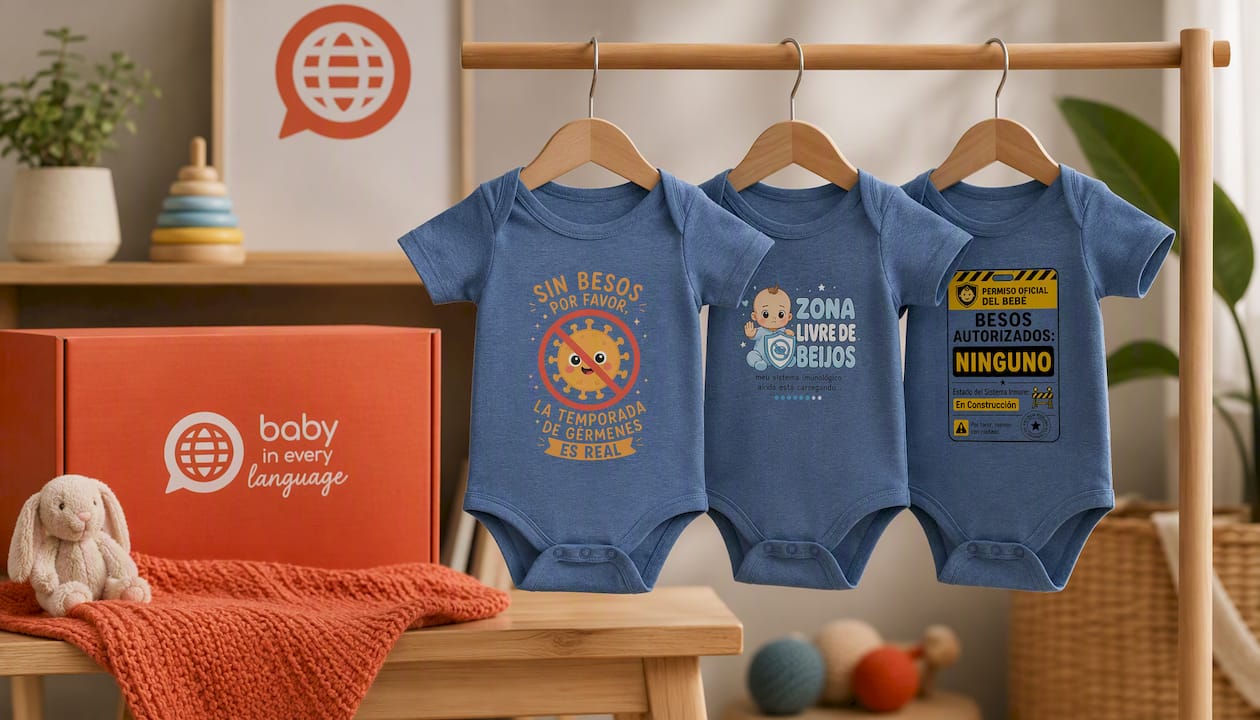
Cotton bodysuits can work across both seasons, since the fabric and fit matter more than which phrase is printed on the front. The No Kisses Germ Season Is Real Baby Bodysuit makes a solid short-sleeve summer layer or a base layer under a cardigan in cooler months. The Kiss Free Zone Baby Bodysuit works well as a long-sleeve pick for layering under a sleep sack once the temperature drops. The Authorized Kisses None Baby Bodysuit fits either rotation, making it a practical gift pick for parents who don’t know yet whether they’ll need summer or winter sizes first.
When buying for a baby shower or newborn gift, size up one notch if you’re not sure of the delivery date. A size that fits at birth might only last a few weeks, and a slightly larger size stretches the wearing window through a full season. Browse the full onesie collection for size charts across all designs, or check gift bundles by occasion if you’re shopping for a baby shower rather than for your own child.
Sources
- Thermoregulation in the newborn: physiology and clinical implications — NCBI
- The Best Organic Onsies For Babies And Newborns (2026) - The Good Trade
FAQ
Should Babies Wear Onesies in Summer?
Yes, a lightweight, breathable onesie is generally safer than leaving a baby bare-skinned, since it protects against sun exposure and helps regulate temperature better than no clothing at all. Choose short-sleeve cotton or bamboo styles and skip heavy layers underneath.
What Are the Differences Between Summer Babies and Winter Babies in Terms of Clothing Needs?
A baby born in summer typically needs lightweight, breathable fabrics and shorter sleeves from day one, while a baby born in winter needs layering options and warmer knit fabrics right away. Both need the same core rule: dress for room temperature, not the season on the calendar.
What Is the Difference Between Summer Clothes and Winter Clothes for Babies?
Summer onesies use lightweight, breathable fabrics like cotton or bamboo viscose in short-sleeve or shortie styles, while winter onesies use midweight knits or ribbed cotton in long-sleeve or footed styles for warmth. The core difference is fabric weight and coverage, not just sleeve length.
What Is the Hardest Month for a Baby in Terms of Temperature Regulation?
There’s no single universal “hardest month,” since it depends on climate and indoor heating or cooling habits, but transitional months like early fall and early spring tend to trip parents up most because indoor and outdoor temperatures swing widely within the same day.
Do Onesies Keep Babies Warm in Winter?
A single onesie alone rarely provides enough warmth for cold rooms; it works best as a base layer under a rated sleep sack or a mid-layer for awake time. Fabric weight and layering strategy matter more than the onesie alone.