

German Baby Traditions: Ribbons, Storks, and Welcoming New Life
German Baby Traditions: Ribbons, Storks, and Welcoming New Life Explained for New Parents
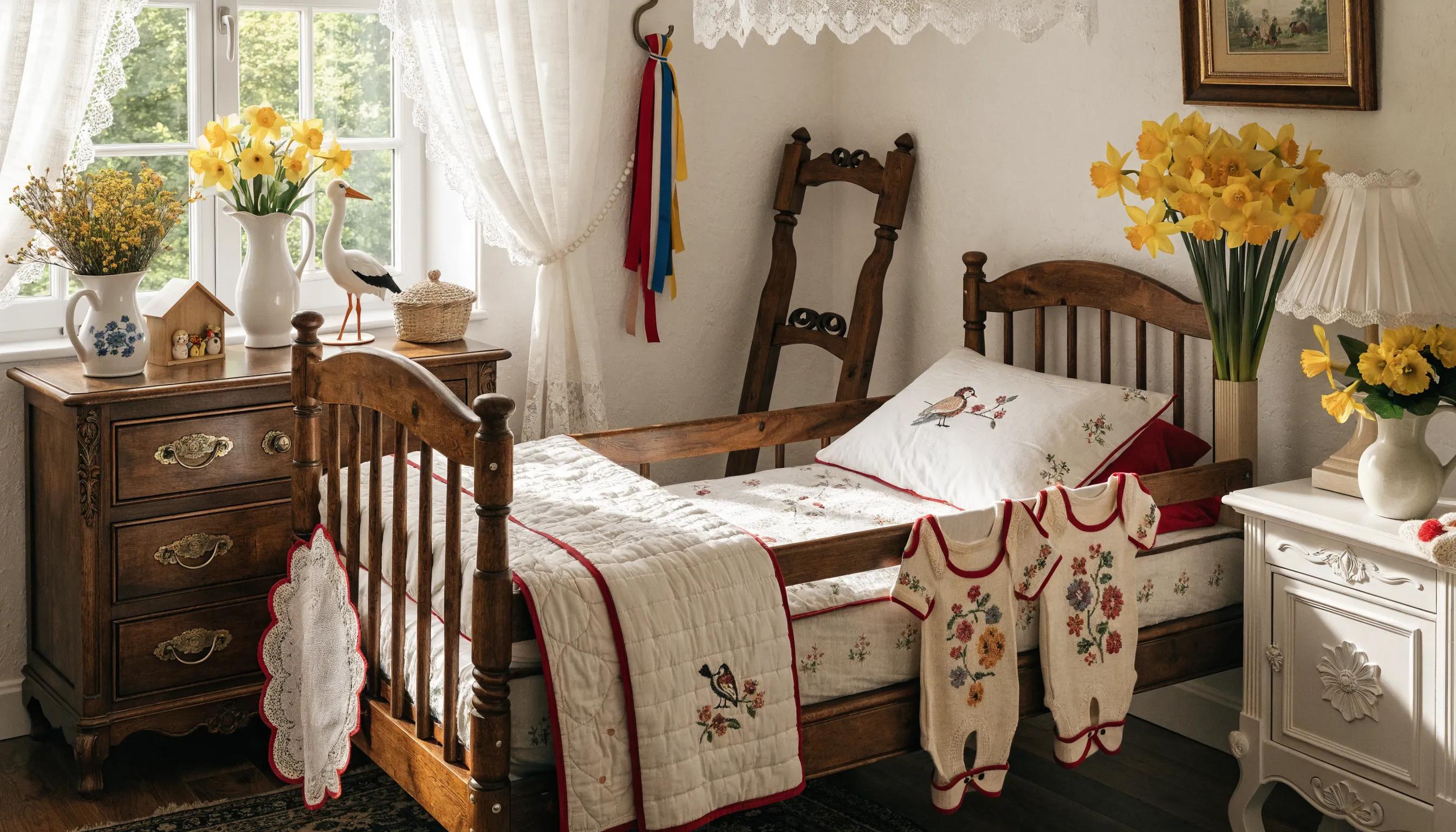
Germany is known for its rich cultural heritage, often vividly expressed through its baby traditions. From the symbolic use of ribbons to the iconic stork delivering newborns, these customs play an integral role in celebrating new life. New parents will find joy in understanding these cherished traditions that weave together elements of history, family values, and profound meaning. This article will explore these symbols, discuss how German families welcome their newborns, and highlight the significance of traditional baby bodysuits that embody these beautiful customs. Understanding these traditions not only enriches the celebration of birth but also strengthens cultural identity, especially in multicultural families.
In the following sections, we’ll delve into key symbols in German baby traditions, explore how families celebrate births with time-honored practices, and provide insights into choosing traditional German baby bodysuits that reflect these values.
What Are the Key Symbols in German Baby Traditions?
German baby traditions are filled with meaningful symbols that embody blessings and hopes for newborns. Among them, baby ribbons and the stork stand out prominently, each carrying its own cultural narrative. These symbols are not just decorations; they represent deeper connections to heritage, family, and the celebration of new life. Understanding these symbols can enhance one's appreciation of the meaningful moments surrounding the arrival of a child.
What does the baby ribbon symbolize in German culture?
In German culture, the baby ribbon serves as a potent symbol of blessings and protection bestowed upon newborns. Historically, these ribbons were given to newborns or displayed on homes to welcome new life. This tradition reflects the community's joyous embrace of the child, conveying wishes for health and happiness. Today, ribbons often adorn gifts for newborns, such as baby clothes or toys, symbolizing love and good fortune for the child and family.
Why is the stork associated with baby delivery in Germany?
The stork has long been associated with maternity and childbirth, mainly rooted in folklore. According to German mythology, storks are believed to deliver babies, providing a whimsical explanation for childbirth. This charming narrative is reflected in various cultural expressions, including art and literature, reinforcing the stork's status as a benevolent figure. The stork symbolizes not just the act of birth, but also the care and nurturing that accompany the journey of parenthood.
This mythical association of storks with childbirth has deep roots in European culture.
European Folklore: Storks Bringing Babies to New Parents
According to European folklore, popularized by a fairy tale, storks are responsible for bringing babies to new parents. This probably came from observation in certain European countries, such as Norway, Netherlands or Germany, that storks nesting on the roofs of households were believed to bring good luck, as the possibility of new births. Where Do Babies Come From?, MLF Nascimento, 2023
How Do German Families Welcome Newborns with Traditional Practices?
Welcoming a newborn in Germany involves various traditions and rituals that reflect love, community, and family values. From baby showers to gift-giving customs, these practices form an essential part of the cultural fabric that surrounds the arrival of a new child.
What are common German baby shower and birth rituals?
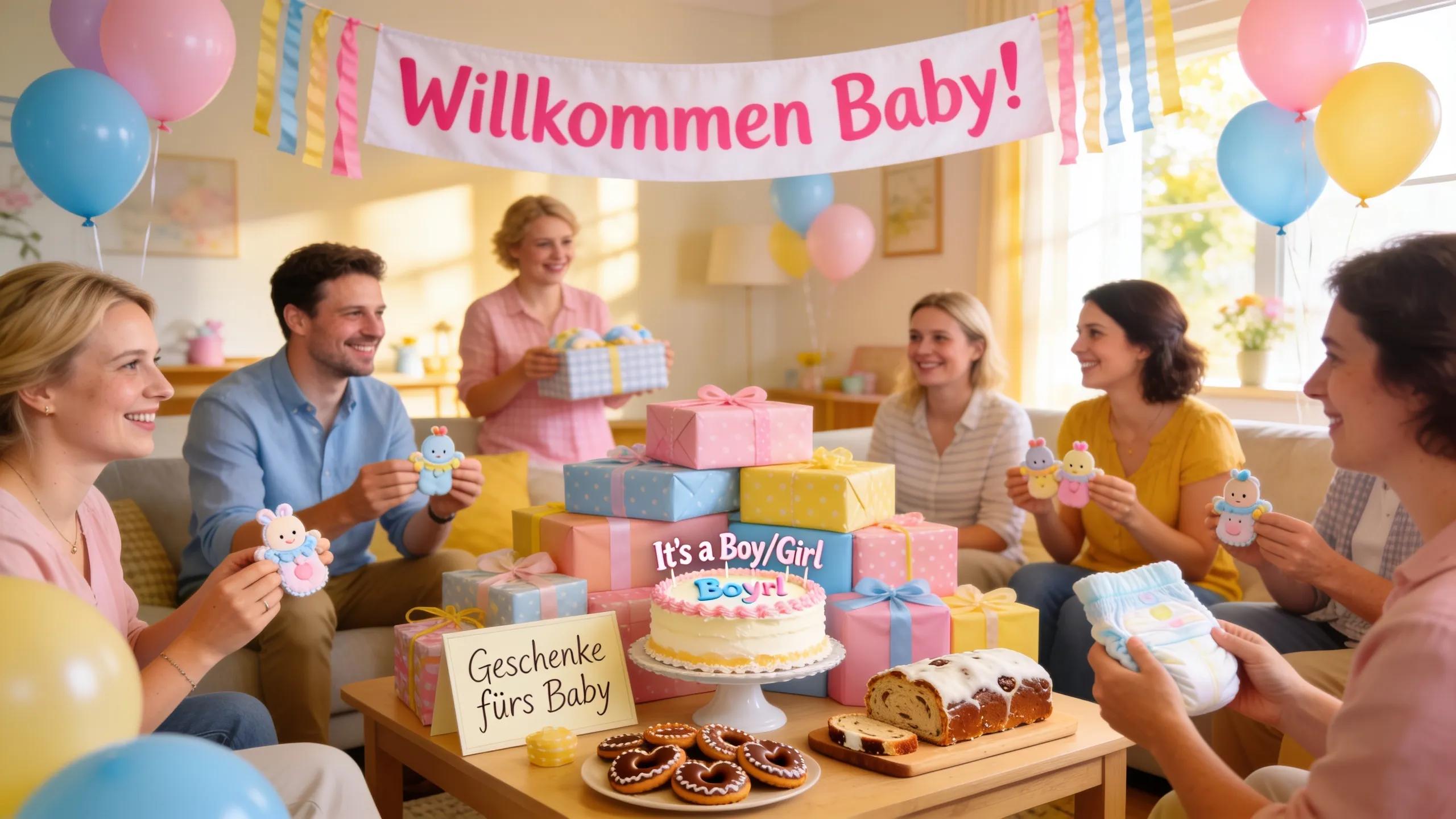
Common rituals in Germany include baby showers, known as "Babyparty," which serve to gather friends and family to celebrate the impending birth. This event is often filled with games, gifts, and laughter, emphasizing the joy of welcoming new life. Additionally, traditional birth rituals may involve special prayers or blessings to secure health and happiness for the newborn and parents alike. These communal gatherings foster a sense of support and bond among family and friends during this transformative time.
Which gift-giving traditions are popular for German babies?
Gift-giving is an integral part of German culture, particularly when welcoming a baby. Popular gifts include meaningful items such as hand-knitted blankets, wooden toys, and, of course, baby bodysuits adorned with cultural motifs. Each gift often carries a message of goodwill, representing the giver's hopes for the baby's future. As these customs evolve, they continue to reflect the values of family, love, and continuity of cultural heritage.
How Can Parents Choose Traditional German Baby Bodysuits?
Selecting the right baby bodysuit can be a delightful task for parents wanting to celebrate their German heritage. Traditional designs often feature unique cultural phrases and motifs, making them not just functional clothing pieces but also expressions of identity and heritage.
What cultural phrases and motifs are featured on German baby bodysuits?
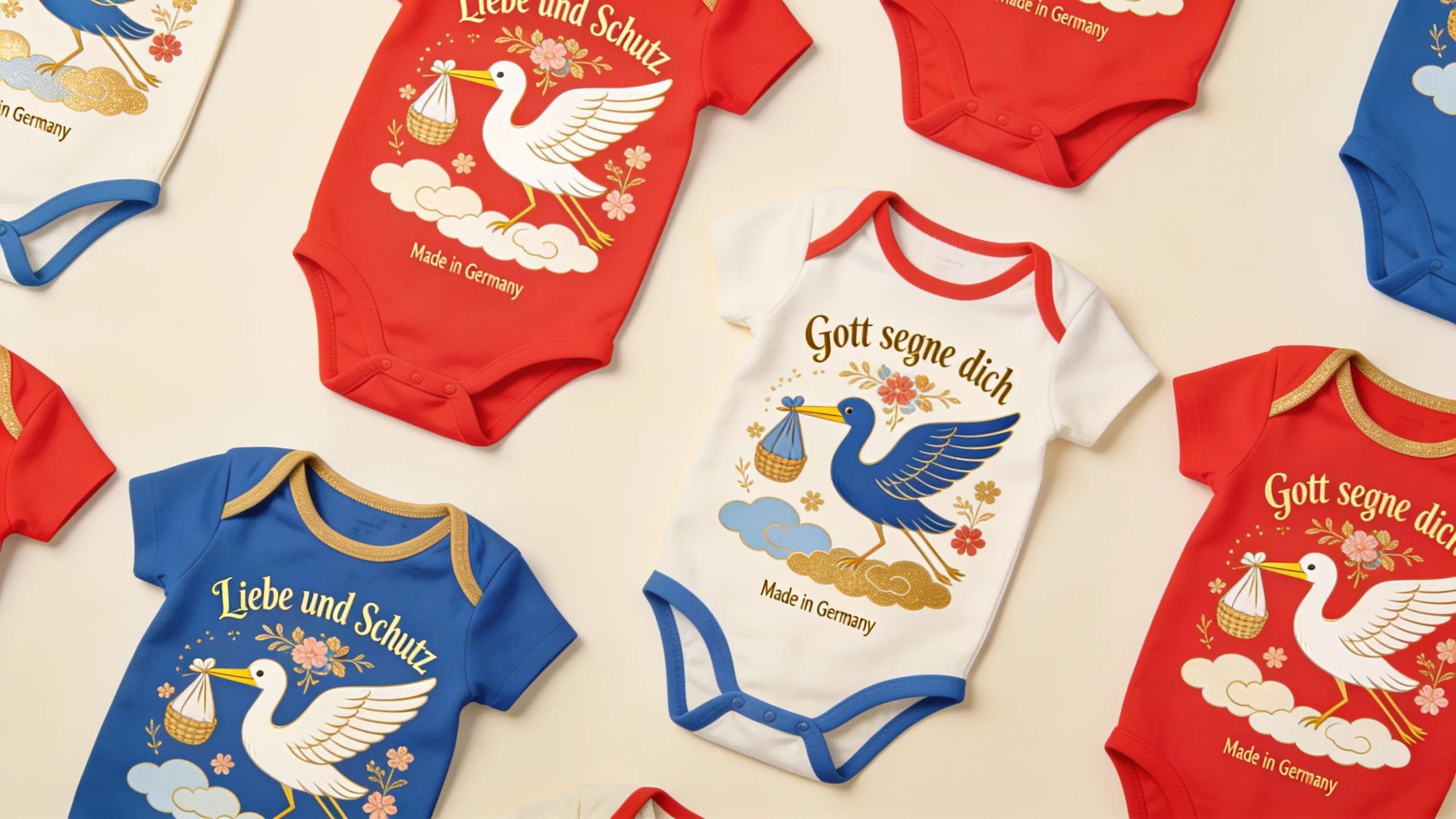
German baby bodysuits are often decorated with phrases like "Willkommen, kleine Maus!" (Welcome, little mouse!) or whimsical designs depicting storks and ribbons. These motifs often carry meanings associated with protection, love, and the joy of new beginnings. Parents can choose bodysuits that resonate personally, connecting them to their own cultural traditions and values.
Why are German-themed bodysuits meaningful for multicultural families?
For multicultural families, German-themed bodysuits are significant as they serve as a bridge between cultures. They allow parents to instill a sense of cultural identity in their children while fostering an appreciation for diversity. Clothing that reflects cultural heritage promotes a sense of belonging and pride in one’s roots, contributing to healthy identity formation in young children.
What Are Modern Trends in German Baby Naming and Parenting Customs?
As society evolves, so do the customs surrounding baby naming and parenting in Germany. Contemporary trends highlight the blending of traditional practices with modern influences, reflecting a dynamic cultural landscape.
How do German naming customs influence multicultural families?
German naming customs are often steeped in tradition, with names reflecting historical significance and family heritage. For multicultural families, this can present a joyful challenge as they navigate mixing different cultural naming conventions. This blending creates a rich tapestry of names that honor both cultural backgrounds, allowing children to grow up with a diverse heritage and understanding of their identity.
What contemporary newborn welcoming practices are evolving in Germany?
Modern welcoming practices have also seen a shift, with traditional ceremonies integrating contemporary elements like themed parties or personalized gifts. These evolving practices reflect a blend of tradition and modernity, embracing the joyous celebration of new life while acknowledging the family's unique cultural dynamics. The future of these customs is likely to continue evolving, further enriching the tradition of welcoming newborns in Germany.